From For You Page to Booked and Busy: How Short-Form Video Is Changing Who Gets Cast
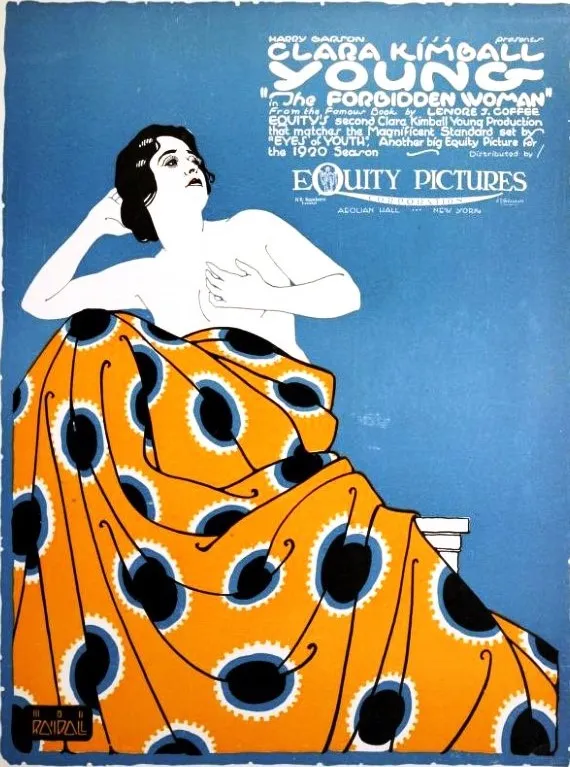
Photo: Garson Studios / Equity Pictures, Public domain, via Wikimedia Commons
Not long ago, breaking into modeling or entertainment had a very specific playbook. You needed professional headshots, a signed agency, and a stack of rejections before anyone took you seriously. The gatekeepers were real, and they guarded the gates fiercely.
Then came TikTok.
What started as a lip-sync app for teenagers has quietly dismantled some of the most stubborn structures in the casting industry. Today, a 22-year-old in Columbus, Ohio can post a 15-second video on a Tuesday afternoon and wake up Wednesday to a DM from a brand manager in New York. That's not a fairy tale — it's happening regularly, and if you're not thinking about short-form video as part of your career strategy, you're leaving real opportunities on the table.
The Shift Nobody in the Industry Saw Coming
For decades, casting was a closed loop. Agencies submitted talent. Talent submitted headshots. Casting directors made calls. The process was slow, expensive, and heavily reliant on who you knew and where you lived. Living outside of Los Angeles, New York, or Atlanta put you at a genuine structural disadvantage.
Short-form video cracked that system open. Platforms like TikTok, Instagram Reels, and YouTube Shorts gave aspiring talent a direct line to audiences — and, crucially, a direct line to industry professionals who were suddenly scrolling the same feeds as everyone else. Casting directors, creative directors, and brand managers didn't plan to start scouting on TikTok. They just... started. Because that's where the talent was showing up.
The metrics shifted too. In the old model, a casting director evaluated you based on a headshot and a brief in-person audition. Now they can watch 30 videos of you across different moods, formats, and styles before they ever reach out. In a weird way, short-form content gives industry professionals more information about you than a traditional audition ever did.
What Casting Directors Are Actually Looking For on TikTok
Here's where it gets interesting — and where a lot of aspiring talent get it wrong. Going viral doesn't automatically equal castable. Casting professionals aren't just looking for follower counts or trending audio. They're watching for something much more specific: authentic screen presence.
Can you hold attention? Do you feel natural in front of a camera, or are you performing for it? Is there a quality to the way you communicate — verbally or physically — that makes someone want to keep watching? These are the same qualities casting directors evaluate in a traditional audition room. Short-form video just lets them see it in a lower-stakes, more natural context.
Consistency matters too. A single viral video might get you noticed, but a consistent body of work — even a small one — shows that you can show up repeatedly, adapt your content, and maintain a point of view. That's what brands want. That's what creative teams want. That's what distinguishes a one-hit wonder from a legitimate career.
The Mindset Shift That Changes Everything
This is where wellness and mindset come into the picture, because the psychological adjustment required here is significant. A lot of aspiring models and performers grew up believing that wanting to be seen was somehow embarrassing — that putting yourself out there before you were "ready" was presumptuous or amateur.
Short-form video demands that you completely unlearn that belief.
The talent who are winning on these platforms aren't the most polished or the most technically trained. They're the ones who gave themselves permission to show up before they felt ready. They posted the imperfect video. They used the trending sound even though they weren't sure it fit their brand. They tried something weird and learned from it. The platform rewards experimentation and authenticity, not perfection — and that's a genuinely radical idea for people who've spent years preparing for the traditional audition process.
If you find yourself frozen by the fear of looking amateur or being judged by people who know you, that's worth sitting with. The question isn't whether you're ready to be seen. You're already ready. The question is whether you're willing to let the industry see you on your terms, in your space, before they get to decide who you are in theirs.
Practical Moves for Digitally-Native Talent
So how do you actually position yourself to be discovered through short-form content without just throwing videos at the algorithm and hoping for the best? A few things work consistently:
Niche down before you branch out. The accounts that get industry attention tend to have a clear, recognizable identity — fashion-forward, comedic, athletic, editorial, lifestyle. Pick a lane and own it for at least 30 to 60 days before you start experimenting with pivots.
Make the first three seconds count. On TikTok and Reels, you have an absurdly short window to stop someone's scroll. Lead with your most interesting visual or your most compelling moment. Don't save the good stuff for the middle.
Tag strategically. Use hashtags and captions that connect your content to the industry you want to reach. #ModelLife, #CastingCall, #FashionTikTok — these aren't just for visibility with general audiences. Industry professionals search these tags too.
Engage like a professional. How you respond to comments, how you interact with other creators, and how you handle criticism publicly is all part of your brand. Casting directors and brand managers do look at this stuff. Your comment section is an audition too.
Build a bridge to your other platforms. Use your short-form content to drive people to a more complete picture of you — a portfolio site, a longer YouTube presence, or a polished Instagram grid. Short-form gets the click; your broader presence closes the deal.
The Old Rules Still Matter — Just Less
None of this means that traditional preparation is obsolete. Great headshots, a well-maintained résumé, and strong audition skills still matter enormously for certain projects and certain markets. The difference is that short-form video has created a parallel pathway — one that doesn't require an agent, a big city, or anyone's permission.
Your stage used to be wherever casting directors decided to put you. Now your stage is wherever you decide to build it. That's a genuinely new kind of power, and the talent who understand that — and who approach it with both creativity and professionalism — are the ones quietly rewriting their own stories.
The casting playbook got a new chapter. Make sure you're in it.