What Casting Directors Actually Notice the Second You Walk In the Room
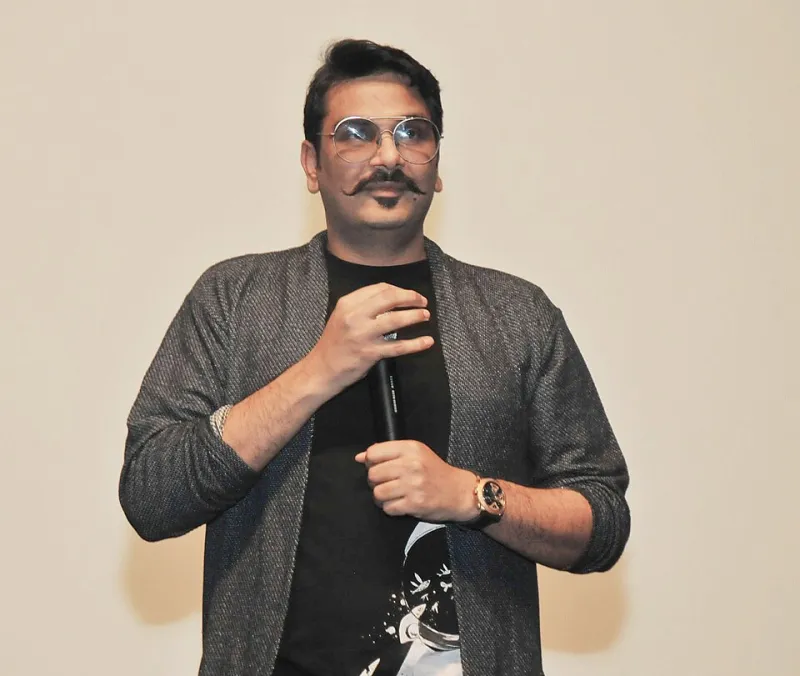
Photo: Ministry of Information and Broadcasting, GODL-India, via Wikimedia Commons
You spent three hours picking the right outfit. You practiced your walk in the hallway. You've got a fresh set of comp cards and a portfolio that honestly looks incredible. And then you walk into that casting room and... nothing. The callback never comes.
If that story sounds familiar, you're not alone — and the reason might surprise you. We talked to working casting directors and industry insiders about what's actually happening on their side of the table. What they shared is the kind of intel that drama coaches and agency reps rarely spell out plainly. Consider this your cheat sheet.
The First 10 Seconds Are About Energy, Not Aesthetics
Here's something that might sting a little: casting directors often form a strong impression before you've said a single word — and it's not based on your bone structure.
"I can tell within seconds whether someone is present or performing," says one New York-based casting director who works across commercial and editorial projects. "There's a difference between someone who walks in like they belong there and someone who walks in hoping they'll be allowed to stay."
That energy — confidence without arrogance, ease without carelessness — is something seasoned casting pros say they can feel in the room. It's not about being loud or doing something dramatic. It's about occupying your space like you've earned it. Which, by the way, you have. You showed up. That already puts you ahead of everyone who didn't.
Practical takeaway: Before you walk through that door, take a breath. Ground yourself. Make the choice to be there fully, not just physically.
Personality Is a Casting Tool — Use It
In commercial work especially, casting directors are building a world on screen. They need people who feel real, relatable, and specific — not just attractive. A memorable personality in the room can genuinely tip the scales.
"I've cast people who weren't the most technically polished because they had something genuine and interesting about them," shared one LA-based casting associate who works primarily in lifestyle campaigns. "Brands want to sell a feeling. If you make me feel something in a five-minute audition, that's incredibly valuable."
This doesn't mean you need to perform or put on a show. In fact, trying too hard tends to backfire. What casting directors are looking for is authenticity — the sense that the person in the room is actually a person, not a résumé in human form.
If you're funny, let that come through. If you're warm, lead with warmth. Your quirks aren't liabilities. In a lot of cases, they're the reason you get the call back.
Professionalism Is Rarer Than You Think
This one comes up every single time we talk to industry professionals, and yet it keeps being an issue: basic professionalism is genuinely uncommon, and it gets noticed immediately when someone has it.
What does that look like in practice? Showing up on time (which in casting terms usually means five to ten minutes early). Knowing the brief. Being prepared without being rigid. Listening carefully to direction and actually adjusting — not just nodding and doing the same thing again.
"Direction-taking is everything," one casting director told us emphatically. "I need to know that on set, if the creative director asks for something different, the talent can pivot. When someone takes my note and genuinely transforms what they're doing, I feel confident putting my name behind them."
Being easy to work with sounds basic, but it's a real professional skill. Being on time, being prepared, being flexible, and being kind to everyone in the room — including the person at the front desk — all of it signals that you understand how this industry actually functions.
Versatility Opens Doors That Looks Can't
The modeling and performance industry has changed dramatically over the last decade. Brands are no longer just looking for one specific type. They're looking for talent who can do multiple things — who can move between editorial and commercial, who can handle video content and stills, who can deliver a line if needed.
"The talent who book consistently are usually the ones who've invested in more than one skill," says a casting director who works with both fashion clients and streaming platform productions. "A model who can also act, or a performer who's comfortable in front of a still camera — that's someone I think about for a wider range of projects."
This doesn't mean you need to be everything to everyone. But expanding your range — even slightly — dramatically increases the number of doors that can open for you. Take an improv class. Get comfortable with video. Practice delivering a line with intention. Every new skill is another reason for a casting director to think of your name.
What Happens After You Leave the Room
Here's something not enough people think about: the audition doesn't end when you walk out. How you follow up (or don't) matters. A professional, brief thank-you note or email after a significant audition is a small gesture that casting directors genuinely remember.
More importantly, how you handle rejection — or silence — says a lot about your long-term potential. The people who check in professionally, who keep showing up, who don't burn bridges when things don't go their way? Those are the people who eventually get the yes.
"This industry is smaller than it looks," one casting director reminded us. "I remember the person who was gracious when I couldn't cast them. And when the right role comes along, I reach out."
The Bottom Line
Your look got you in the room. But your energy, your personality, your professionalism, and your range are what get you the job. The casting directors we spoke to are rooting for the talent who walks in prepared, present, and genuinely themselves.
So next time you're prepping for a tryout, spend as much time working on your mindset as you do on your outfit. The person who books the job isn't always the most conventionally striking person in the room. They're usually the one who made the casting director feel something — and made them confident enough to put their name on the line.
That person can absolutely be you.