Numbers Are Data: How to Keep Your Size Card Accurate, Current, and Apology-Free
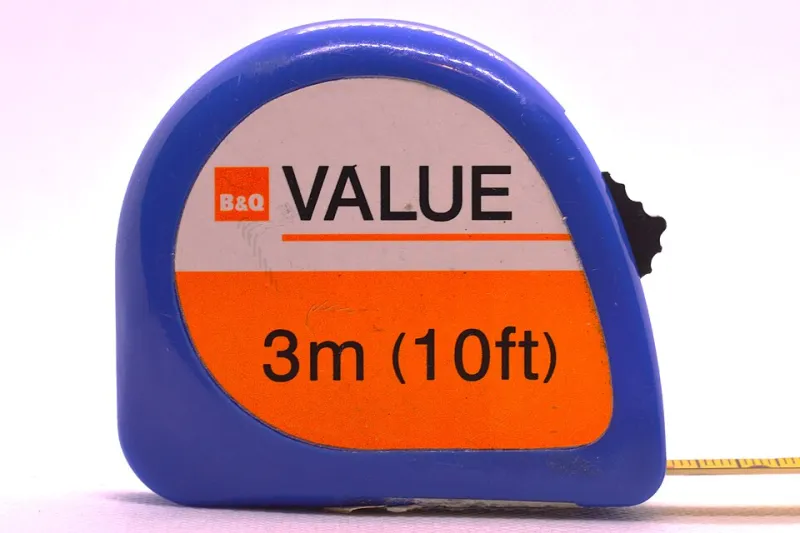
Photo: 多多123, CC BY 4.0, via Wikimedia Commons
Measurements have a weird way of making people feel like they are back in gym class, waiting to be picked. But in a working performer’s life, measurements are not a report card. They are a tool. A size card is the same category of professional equipment as your headshot, your reel, and your calendar. It exists to help casting, wardrobe, and your agency do their jobs. The goal is not to be a number. The goal is to have accurate numbers ready when someone needs them.
What belongs on a size card
A basic size card should include height, bust or chest, waist, hips, inseam, shoe size, dress size, and suit size if relevant. For modeling submissions, bust, waist, and hips are usually listed in inches. For film and commercial work, height and dress size are often enough, with weight listed only if requested. Add hair color, eye color, and any visible tattoos or piercings that wardrobe should know about. Then add fit notes: “long torso,” “narrow shoulders,” “usually a 27 waist but can do 26–28.” Those notes are often more useful than the numbers themselves.
How to measure without guessing
Use a soft measuring tape, a mirror, and ideally a friend. Wear fitted clothing or underwear. No shoes. Stand tall and breathe normally. Bust or chest: measure around the fullest part, tape level under the arms. Waist: find your natural waist by bending to the side; measure the crease. Hips: measure around the fullest part, feet together. Inseam: measure from the crotch seam to the hem of pants that fit you well, or from the crotch to the floor if you are measuring for a fit note. Height: stand against a wall without shoes. Measure twice. Do not suck in. Do not round down to a smaller number. Half inches are your friend.
How often to update
Update your size card every three months, and anytime your clothes start fitting differently. You do not need to wait for a ten-pound change. Measurements can shift with training, stress, travel, or a new bra. Put a reminder in your calendar for the first week of each quarter. When you update, write the date on the card: “Updated November 2026.” Send the new version to your agency and replace the old PDF in your portal. If you are in a busy submission season, check your stats before every batch of applications. It takes five minutes and saves everyone a wardrobe fitting.
Present numbers without apologizing
This is the hard part for a lot of people. You do not need to explain, justify, or apologize for your measurements. Do not say, “I’m normally a 2, but I’m a 4 right now.” Just say, “Dress 4, waist 27, hips 37.” If someone asks about weight and you are comfortable sharing, share it. If you are not, you can say, “I’m happy to give current measurements, and wardrobe can adjust if needed.” Honesty is not a weakness. It is a professional courtesy. Lying on a size card does not get you booked. It gets you sent home from wardrobe.
Wardrobe notes that save the day
A few extra details can make you look incredibly easy to work with. Note your usual dress size, your bra size if relevant, your shoe size and width, and any fit preferences. “Size 8 dress, 34B, shoe 9 narrow, prefers high-rise.” If you have a long torso or broad shoulders, say so. If you are allergic to wool or cannot wear latex, say so. Keep a photo of your size card in your phone. Bring a small tape measure to fittings if you have one. Wardrobe departments are solving a puzzle; your notes help them solve it faster.
The mindset piece
Numbers change. Bodies change. Your worth does not live in a tape measure. If stepping on a scale or taking your measurements makes you spiral, do it once, write it down, and move on. Have a friend help you so you are not alone with the tape. Treat the update like renewing a passport, not like getting a grade. The industry will ask for your stats. Give them the truth, keep it current, and do not let a number decide how you feel about yourself. Your size card is a tool. You are the business.