Second Chance, First Impression: How to Own Your Callback and Book the Job

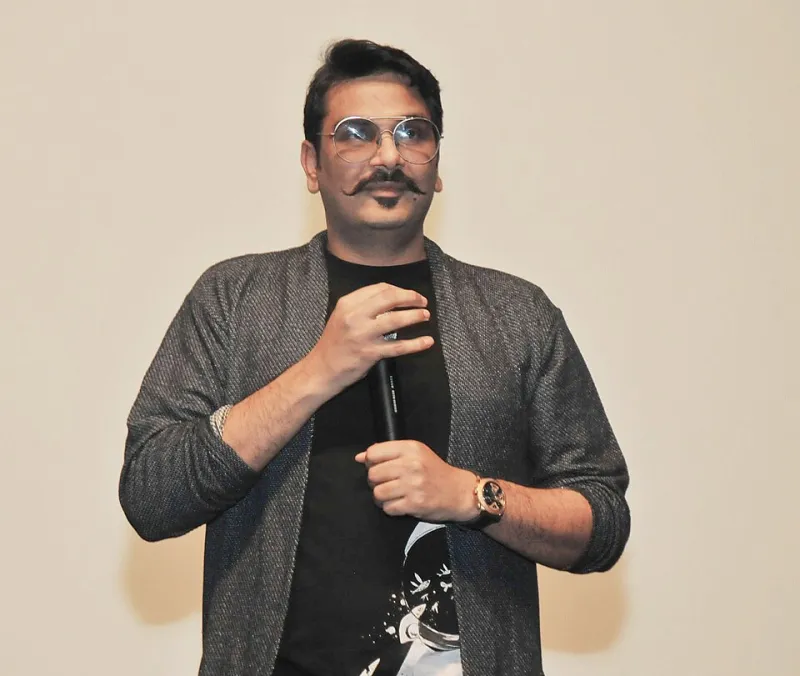
Photo: Santulan Mahanta from Golaghat (GLGT), Guwahati (GHY), Lucknow (LKO), New Delhi (NDLS), INDIA, CC BY 2.0, via Wikimedia Commons
You got the call. The one that makes your stomach flip and your group chat absolutely lose it. A callback. If you've been grinding auditions for any length of time, you already know this isn't just a polite "come back and try again." It's a signal — casting liked what they saw, and now they want to see more.
But here's where a lot of aspiring models and performers fumble: they treat a callback like a repeat of the first audition. They walk in with the same energy, the same look, the same prepared answers. And then they wonder why they didn't book it.
The callback is a different game entirely. Let's break down exactly how to play it.
What a Callback Actually Means
First, let's get one thing straight — a callback is not a pity invite. Casting directors are busy people with packed schedules and no time to waste. If they're bringing you back, it's because you made an impression strong enough to stick around in their memory after seeing dozens, sometimes hundreds, of faces.
But it also means you're no longer being evaluated on potential alone. Now they're measuring fit — fit for the specific role, fit for the brand, fit within a group of other finalists. You're being compared to a much smaller, much more competitive pool.
Think of the first audition as the highlight reel. The callback is the film.
Shift Your Mindset Before You Shift Your Look
One of the biggest mistakes callbacks reveal is a confidence collapse. Performers who were loose and natural in the first round suddenly show up stiff, over-rehearsed, and visibly anxious. The pressure of "this is the one" can completely kill the spontaneity that got you there.
Model and commercial actress Dani R., based out of Atlanta, put it perfectly: "I bombed two callbacks before I figured out the problem was me psyching myself out. The third time, I told myself I already had the job and I was just going in to confirm it. That shift changed everything — I booked it."
That reframe is powerful. You were invited back. Walk in like you belong there, because the evidence suggests you do.
Do Your Homework Differently This Time
If the first audition was about introducing yourself, the callback is about deepening the relationship. That means digging into research you might have skipped the first time around.
- Know the brand or project inside out. If it's a commercial, study the brand's recent campaigns. What's the tone? Aspirational? Playful? Edgy? Mirror that energy.
- Revisit the brief. If you were given sides, a character description, or any direction after your first audition, treat that information like gold. They told you what they need — give it to them.
- Think about what you did in round one. What got a reaction? What felt flat? You're not trying to copy yourself, but you are trying to understand what resonated.
The Look Question: Change It or Keep It?
This is one of the most common callback dilemmas, and the answer depends on context.
If you were given specific direction ("come back in something more casual" or "try a different hair style"), follow it exactly. If you weren't given any guidance, lean toward a slight variation rather than a total overhaul. Casting remembered something about how you showed up — don't erase it.
A safe approach: keep the overall vibe consistent but elevate the polish. If you wore a casual denim look the first time, maybe go for a cleaner, more tailored version of that same aesthetic. You want them to recognize you while also seeing that you've leveled up.
In the Room: How to Stand Out Without Trying Too Hard
Callback rooms can feel intense. You might be auditioning alongside other finalists, or you might be doing a one-on-one with the casting director. Either way, there are a few things that consistently separate the people who book from the people who don't.
Listen more than you perform. Callbacks often involve more direction and feedback than first auditions. The ability to take notes and adjust in real time is one of the most valuable things a casting director looks for. If they give you a redirect, don't freeze — get excited. It means they're invested.
Show range without being asked. Bring a subtle variation to whatever you're presenting. If you're walking, try two different energies. If you're reading a line, offer an alternative interpretation at the end. This signals creative intelligence and flexibility.
Remember their names. If you were introduced to someone in the first round, use their name if you see them again. It's a small detail that communicates you're professional, present, and genuinely engaged.
After the Callback: The Follow-Up That Doesn't Annoy Anyone
Once you've walked out of that room, your job isn't done. A brief, professional thank-you message to your agent or directly to the casting office (if appropriate) within 24 hours keeps you top of mind without being pushy. Keep it short, warm, and specific — reference something from the session if you can.
And then? Let it go. Seriously. The waiting game after a callback is brutal, but obsessing over it doesn't change the outcome. What it does do is drain the energy you need for your next audition.
Jordan M., a commercial model from Chicago, describes it this way: "I started treating every callback like a practice run for the one that would eventually stick. That mindset kept me sharp and kept me from burning out on the process."
The Callback Is the Opportunity
Here's the truth that doesn't get said enough: booking from a callback is the most common way working models and performers land their first real credits. The initial audition gets you in the conversation. The callback is where careers actually start.
So the next time your phone rings with that news, don't just celebrate — strategize. Prepare differently. Show up with intention. And walk into that room knowing you've already earned your seat at the table.
Now go close the deal.