When Flawless Becomes Forgettable: The Hidden Cost of Being Everything They Asked For
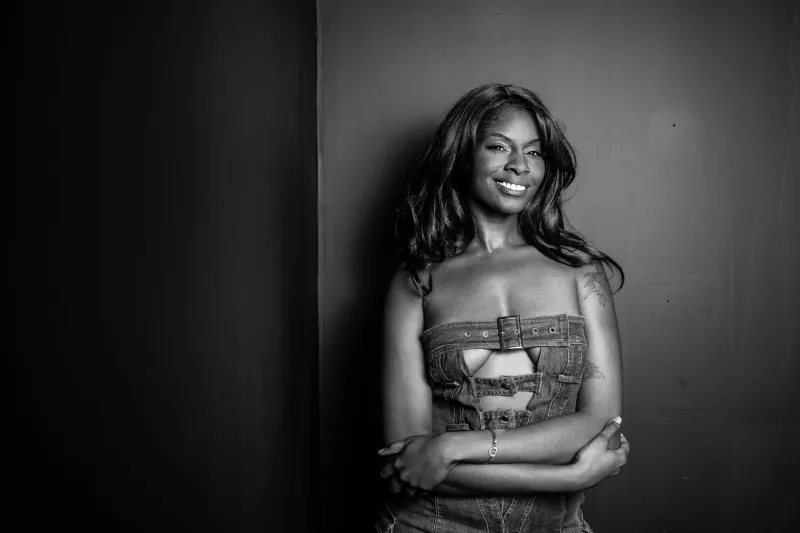
You studied the brief. You matched the vibe board down to the nail color. Your measurements hit the mark, your walk was clean, your smile was exactly the right wattage. By every measurable standard, you were the most prepared person in that waiting room.
And you still didn't book it.
This is one of the most disorienting experiences in the industry — and it happens to talented, hardworking performers constantly. The frustrating truth? Sometimes being too right for something is exactly what gets you passed over. Not because casting directors are irrational, but because the industry rewards something that can't be listed on a spec sheet.
The Brief Is a Starting Point, Not a Finish Line
Here's what a lot of up-and-coming models and performers misunderstand about casting briefs: they're directional, not definitive. When a creative team writes "confident, approachable, early 20s, girl-next-door energy," they're not describing a finished product. They're describing a feeling they're trying to capture — and feelings are almost never delivered by someone who read the brief and performed it back verbatim.
Think about it from a casting director's perspective. After the first ten people walk in checking every box in exactly the same way, the boxes stop meaning anything. What starts to matter is who brings something to those boxes — a point of view, a texture, an energy that makes the creative team lean forward in their chairs.
That unexpected lean? That's the moment a booking happens.
Why 'Safe' Reads as Flat on Camera
There's a specific kind of performance that comes from over-preparation and under-interpretation — and it photographs and films in a very particular way. It looks correct. It looks competent. It also looks like it came from a template.
Casting directors and photographers have an almost involuntary reaction to this. It's not that they dislike you. It's that nothing about you is demanding their attention. You're not creating a problem they need to solve — and in a weird way, creating a small, interesting problem is exactly how you get remembered.
The models and performers who consistently book aren't always the most technically polished people in the room. They're the ones who make the creative team feel like something specific is possible with them — something they couldn't have predicted when they wrote the brief.
The 'Too Obvious' Trigger
So when does a casting director subconsciously clock you as the safe choice versus the memorable one? It usually happens in one of a few specific moments.
The first ten seconds of your entrance. Before you've said a word or moved through your first mark, the room has already formed an impression. If everything about how you walk in — your posture, your expression, your energy — communicates "I have prepared to meet your expectations," you've already signaled that you're not going to surprise anyone. And surprise, even a small one, is what casting rooms run on.
When you receive a redirect. This is huge. A casting director giving you a note mid-audition isn't just testing whether you can take direction — they're watching to see if you have enough of yourself in the room to do something with that note. Performers who are rigidly attached to their prepared version often adjust technically but stay emotionally flat. The ones who book? They treat the redirect as an invitation to get more specific, more alive.
The moment between takes. What you do when you're not actively performing tells the room a lot. Are you waiting to be told what to do next, or are you present and curious? The subtle difference between passive compliance and engaged participation is something experienced casting directors pick up on immediately — even if they couldn't articulate exactly what they're noticing.
Preparation Versus Interpretation
None of this means you should show up unprepared. That's a different article entirely. What it means is that preparation should serve interpretation, not replace it.
The most useful thing you can do before a casting is understand the world the brief is trying to create — and then figure out what you specifically bring to that world. What's your angle on this character or look? What do you see in this brief that maybe isn't obvious? What would make this feel true to you rather than performed at you?
When you walk in having done that work, you're not delivering a brief back to the people who wrote it. You're showing them a version of their idea they hadn't considered — and that's genuinely exciting to be in the room with.
The Paradox, Unpacked
Here's the core tension: casting directors need you to fit the brief, but they book you because you transcend it. Both things are true simultaneously, and learning to hold both is one of the real skills of a working performer.
Fit the brief in the practical, logistical sense — show up looking the part, understand the tone, respect the creative direction. But don't let the brief become a cage. Let it be the floor you're standing on while you reach for something more specific, more alive, more you.
The performers who keep getting called back aren't the ones who nailed the brief. They're the ones who made casting directors feel like the brief got more interesting the second they walked in.
That's the difference between checking every box and actually owning the room — and it's a skill you can absolutely develop. Start by caring less about being right and more about being real. The bookings tend to follow.