Why Your Weird, Specific Look Is the Most Powerful Thing You Own
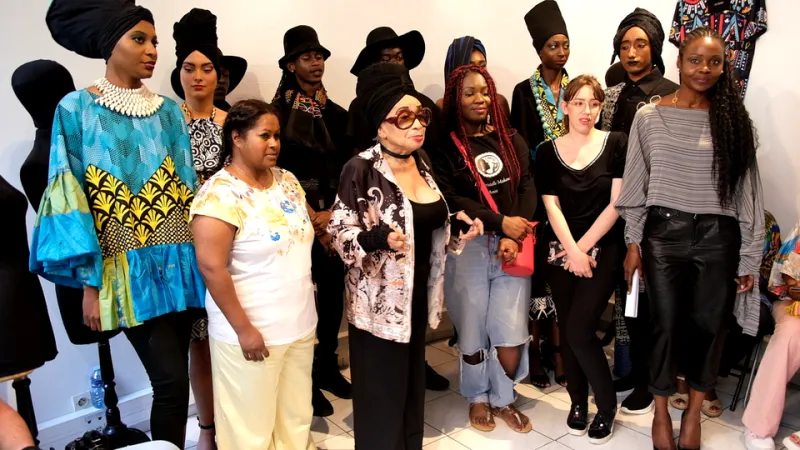
Photo: Zorblobe, CC BY-SA 4.0, via Wikimedia Commons
Here's a thought that might flip everything you think you know about this industry: the thing you've been trying to sand down, soften, or generalize about yourself? That's probably your golden ticket.
A lot of aspiring models and performers walk into this world thinking they need to be everything to everyone. Versatile. Neutral. Palatable. Safe. And honestly? That logic makes total sense on the surface. More range should mean more jobs, right?
Except that's not really how casting works.
The Myth of the 'Castable' Blank Slate
There's this idea floating around — especially among people just starting out — that if you specialize too much, you'll get passed over for the roles or campaigns that fall outside your lane. So they hedge. They try to look a little editorial and a little commercial. A little edgy and a little approachable. A little everything, which ends up reading as a little nothing.
Casting directors and brand managers aren't scrolling through submissions hoping to find someone flexible enough to fit any mold. They're looking for someone who is the mold. They have a specific gap to fill, and the faster they can match a face or a vibe to that gap, the better.
When you're undefined, you make their job harder. When you're specific, you make their job easy — and easy gets booked.
What 'Owning a Lane' Actually Looks Like
Owning a lane doesn't mean you're one-dimensional. It means you have a clear identity that makes you instantly recognizable and pitchable. Think about the categories that are actively in demand right now:
Plus-size and curve modeling has exploded in mainstream campaigns — brands like Aerie, Savage X Fenty, and Torrid have built entire identities around celebrating bodies that traditional fashion long ignored. If that's your world, lean into it fully. You're not limiting yourself; you're stepping into a market that is actively hungry for what you bring.
Androgynous and gender-fluid aesthetics are having a serious moment in both editorial and commercial spaces. Beauty brands, fashion houses, and even mainstream retailers are seeking faces that challenge binary conventions. If your look lives in that space, you are not too ambiguous — you are exactly what a growing number of clients are searching for.
Character and commercial work rewards distinctiveness like nothing else. A gap-toothed smile, an unconventional bone structure, a look that feels like someone's cool aunt or the guy next door — these are the faces that get called back for national ad campaigns, TV spots, and lifestyle shoots because they feel real in a way that cookie-cutter pretty doesn't.
Editorial and high-fashion niches thrive on the unusual. If your proportions, coloring, or overall presence feels avant-garde, that's not a problem for the right client — it's the whole point.
The specifics of your lane matter less than the clarity with which you occupy it.
Why Specificity Makes You Easier to Pitch
Here's the business side of this that doesn't get talked about enough: agents, managers, and casting directors are constantly pitching talent to clients. And pitching someone vague is genuinely difficult. "She's got a great look" doesn't close deals. "She's our go-to for approachable luxury — she photographs beautifully in lifestyle and has booked three national campaigns in that space" does.
When you have a defined identity, the people in your corner can advocate for you with specificity. They know exactly which briefs to submit you for. They know which brands align with your aesthetic. They know how to position you in a crowded submission pool.
You become a solution, not a question mark.
And on the client side? Brands aren't just buying a look — they're buying a story, a feeling, an alignment with their audience. The more clearly your identity maps to what they're trying to say, the more valuable you become to them.
The Fear of Missing Out on 'General' Opportunities
Okay, real talk: yes, there will be some castings you don't fit. That's true whether you're niche or not. Even the most "versatile" working models don't book everything they submit for. The industry runs on rejection — we've talked about that before — and having a clear lane doesn't increase your rejection rate. It just changes which opportunities you're in the running for.
And here's the thing about those opportunities: they're yours. You're not competing against a thousand other people for a spot that could go to anyone. You're competing for a spot that was essentially designed with someone like you in mind. Those are much better odds.
The general pool is enormous and brutally competitive. The niche pool is smaller — and the people looking in that pool are actually looking for you.
How to Find and Lean Into Your Lane
If you're not sure what your lane is yet, start by paying attention to what you get noticed for without trying. What do people consistently comment on? What kinds of brands or aesthetics naturally draw you in? What does your strongest work have in common?
Then look at the market. Research which brands, agencies, and productions are actively casting in that space. Study the models and performers who are working in your lane right now — not to copy them, but to understand how the category operates and where the gaps still exist.
Once you've identified your lane, commit to it in your portfolio, your social media presence, and the way you talk about yourself professionally. Consistency is what transforms a look into a brand.
The Bottom Line
The industry doesn't reward people who try to be everything. It rewards people who know exactly what they are and show up as that, fully and confidently, every single time.
Your niche isn't a limitation. It's your pitch, your positioning, and your power. Stop trying to dilute it — and start letting it do the work for you.
Your stage is already set. The question is whether you're going to walk out there as yourself, or as a blurry version of someone you think they want to see.